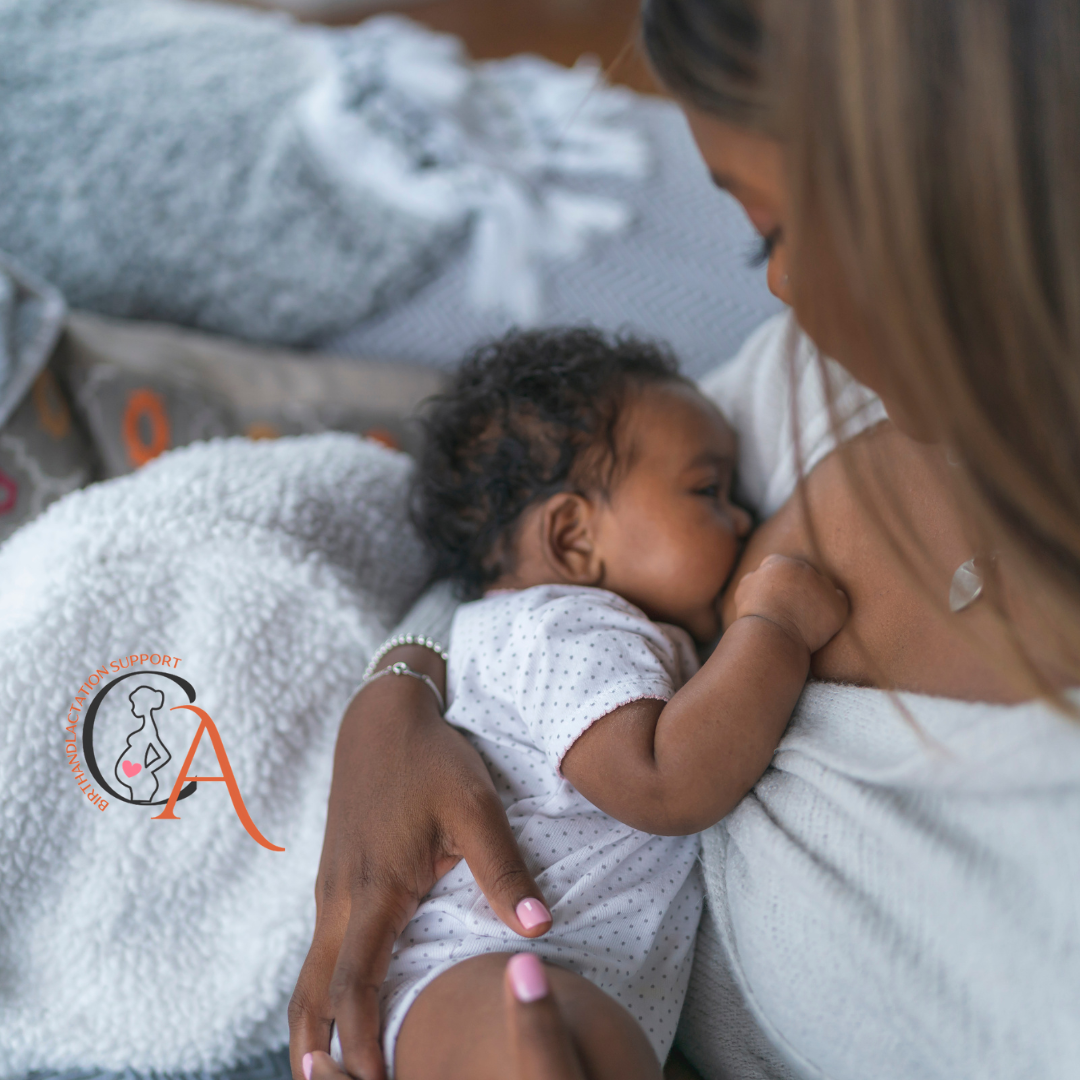
The placenta encapsulation is more than a wellness trend, it is a sacred bridge. It is the baby’s first home, the cord between mother and child and in many traditions, a spiritual thread tying us back to our ancestors.
To some, it’s biology. To others, it’s medicine. But across cultures, the placenta has always been seen as something to be honored, not discarded.
As a doula and a mother, I believe in honoring every part of the birth journey. For me, placenta work is not about trends, it’s about weaving together ancestral respect, modern safety and heartfelt intention.
Preparing it with care is one way of honoring not just biology, but also the spirit of birth, the strength of mothers and the stories of families.
What is Placenta Encapsulation?
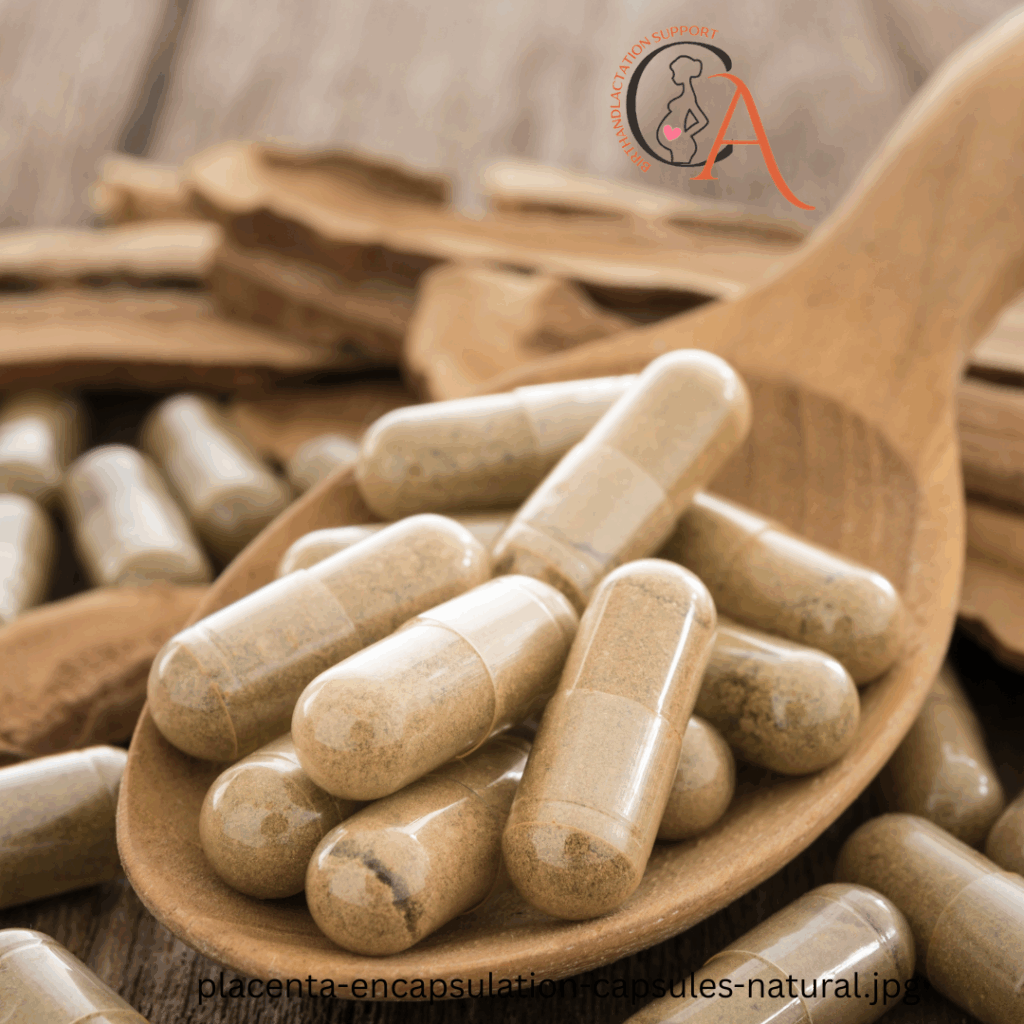
Placenta encapsulation is more than a modern wellness trend it’s a sacred practice. After birth, the placenta is gently prepared, cleaned, dried and ground into a fine powder, before being placed into capsules. For many families, this feels like a way to continue receiving the strength, energy and nourishment the placenta once provided in the womb.
History of Placentophagy
Before encapsulation became popular in the West, the consumption of placenta also known as placentophagy was deeply rooted in cultural and traditional practices around the world:
Traditional Chinese Medicine (TCM): Known as zi he che, the dried placenta has been used for centuries to restore vital qi, strengthen the blood and support postpartum healing. It is often powdered or brewed into tonics.
Northern Vietnam: Some families prepared placenta by steaming, slicing and frying it with vegetables called rau diep—to help mothers regain strength after birth.
What Mothers Say They Experience
In recent years, more mothers have chosen to consume their placenta with the hope of gaining health benefits such as pain relief, hormone balance, increased iron levels and prevention of postpartum hemorrhage. Advocates also point to possible improvements in energy, milk supply, mood and even the prevention of postpartum depression.
It’s important to note, however, that these claims are based largely on anecdotal experiences shared by mothers who felt positive effects. To date, there is no clinical research confirming consistent medical benefits of placenta encapsulation.
What You Should Know About Safety
While placenta encapsulation and other forms of placentophagy carry deep cultural meaning, it’s important to acknowledge that the practice is not without risks. Potential concerns include the possibility of infection, exposure to environmental toxins, or even thromboembolism related to hormones in placental tissue.
A review published in 2017 explored these risks in detail and emphasized that, as with many wellness practices, more scientific research is needed. It’s also important to note that the FDA does not currently regulate or approve placenta consumption in any form.
Preparing in Advance
If you’re considering placenta encapsulation or other forms of consumption, the best step you can take is to plan ahead. Speak with your healthcare provider, ask your birth facility about their policies and make arrangements early to ensure safe collection, transport and preparation of the placenta.
Remember: the decision is deeply personal. Doing your own research balancing cultural traditions, potential benefits and medical cautions, is key to making the choice that feels right for you and your family.
As a New Jersey doula, I’m honored to offer placenta encapsulation as part of my postpartum care services. If you’re curious about how this sacred practice can support your healing, I’d love to share more with you.
Simply fill out my quick 👉 FORM and I’ll send my Placenta Encapsulation Information & Services Guide straight to your inbox so you can explore the process, benefits and next steps at your own pace.